
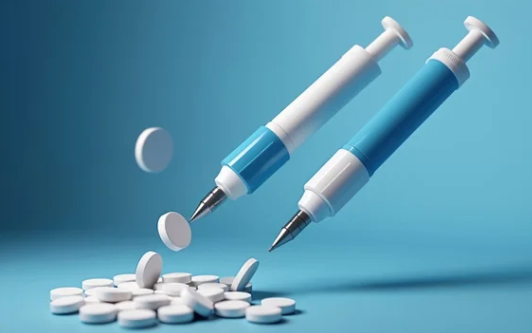
For most people with significant health goals, NAD injections deliver better results than pills because of the bioavailability difference. Injectable NAD bypasses the digestive system and reaches cells directly, while oral supplements rely on conversion pathways that introduce absorption losses. People who have tried oral NAD supplements without meaningful results typically report a noticeably stronger response after switching to injectable therapy.
The effectiveness gap between NAD injections vs pills depends on the individual, but injectable delivery is generally considered significantly more bioavailable than oral formats. This means a lower injected dose can achieve cellular NAD+ levels that a much higher oral dose may not consistently reach, particularly in adults over 40 whose conversion efficiency has declined with age.
Some providers allow patients to continue a low-dose oral NAD supplement alongside an injection protocol, but this is a decision that should be made with your prescribing clinician. Combining both forms without medical guidance can make it difficult to assess how you are responding to the injectable therapy and may complicate dose adjustments over time.
Most people switching from oral supplements to injectable NAD report noticing a difference within one to two weeks of starting injections — faster than the timelines typically associated with pills. This accelerated onset reflects the higher and more consistent NAD+ levels that injectable delivery produces compared to oral supplementation.
For people with serious energy, metabolic, recovery, or anti-aging goals who have not achieved satisfactory results with oral supplements, the cost difference is generally considered worth it. Injectable programs cost more per month than oral supplements, but the higher bioavailability means you are getting more usable NAD+ per dose — making the cost-per-result comparison more favorable than the sticker price difference suggests.
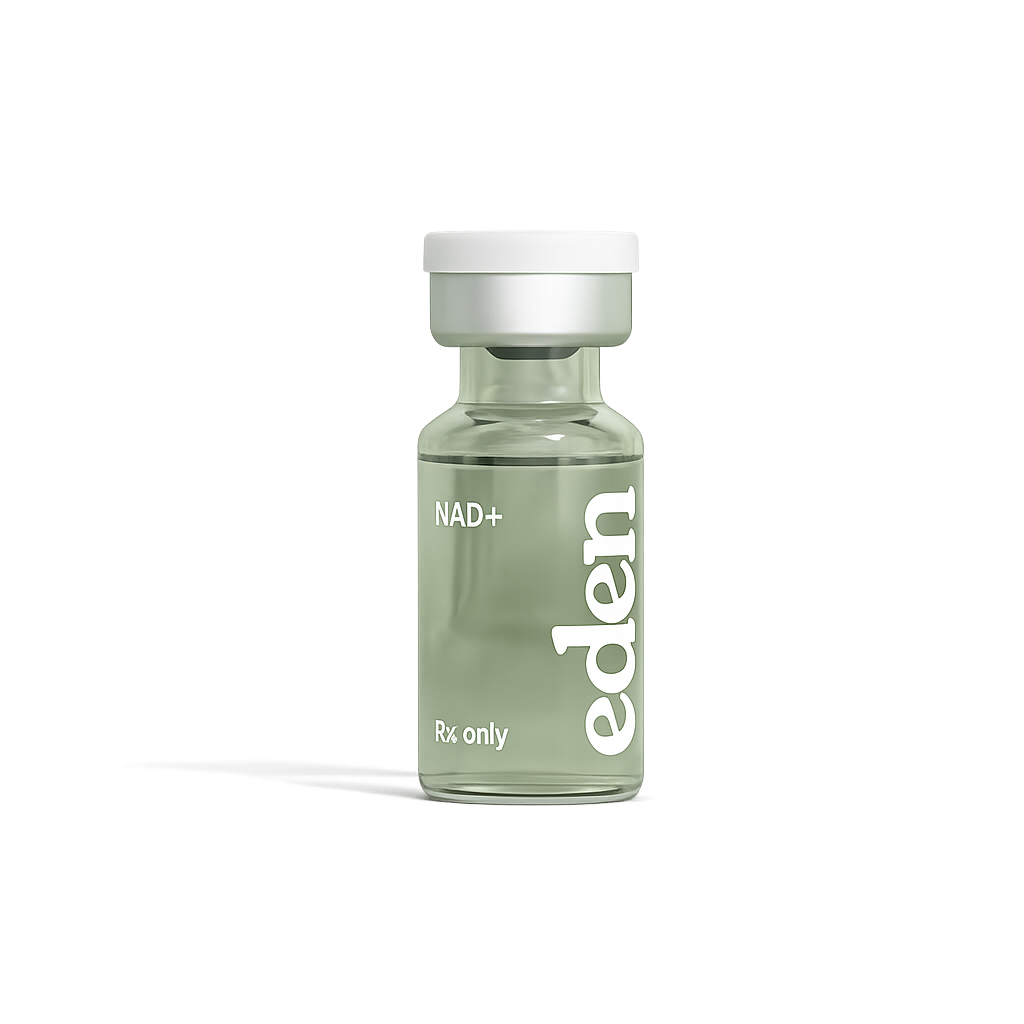
Find more details about NAD Injections.