

Are NAD Injections Safe? What You Need to Know Before Starting

Are NAD injections safe? It is one of the first questions people ask when they discover this therapy, and it is the right question to start with before committing to any injectable wellness program. The short answer is that NAD injections are generally considered safe when prescribed by a licensed provider, administered correctly, and sourced from a state-licensed compounding pharmacy — but like any injectable treatment, there are important safety considerations, contraindications, and quality factors that every prospective patient should understand before their first dose.
are NAD injections safe — physician reviewing NAD injection protocol with patient during telehealth consultation

Are NAD Injections Safe When Prescribed by a Licensed Provider?

For the vast majority of healthy adults, NAD injections are safe when obtained through a legitimate telehealth program that requires a medical consultation, uses a licensed prescribing clinician, and sources the medication from a state-licensed compounding pharmacy. The coenzyme itself — nicotinamide adenine dinucleotide — is a naturally occurring molecule found in every cell of the human body, which means the body is not being introduced to a foreign substance but rather receiving more of something it already produces and uses. This is one of the key reasons the safety profile of NAD injection therapy compares favorably to many other injectable wellness treatments, and why physician-guided programs have been able to scale through telehealth without the regulatory obstacles that accompany more experimental therapies. That said, the safety of any NAD injection program depends heavily on three factors — the quality of the product, the accuracy of the dosing, and whether the patient has been properly screened for contraindications before starting. Understanding what are NAD injections and how they are administered is an important first step in evaluating whether the therapy is appropriate for your specific health situation, and those who want to understand the full range of effects — both positive and adverse — should also review the dedicated NAD injection side effects page before making a decision. Those pursuing an at-home protocol specifically can also find a complete guide to how the process works, what comes in a standard kit, and how to self-administer safely on the NAD injections at home page.

Find the Best NAD Injections Online

Browse clinically guided at‑home NAD injection programs from trusted telehealth providers. After a brief online consultation, eligible patients may receive prescription NAD injections shipped directly to their door. Many people researching NAD injections choose medically supervised programs that include dosing guidance, treatment supplies, and ongoing clinical support.

Common Side Effects and What They Tell You About Safety

When evaluating are NAD injections safe, understanding the most commonly reported side effects gives you a realistic picture of what to expect and helps distinguish normal responses from warning signs that warrant attention. The most frequently reported reactions are mild and temporary — flushing or warmth at the injection site, brief nausea, mild lightheadedness, or a short-lived feeling of fatigue in the hours following a dose. These responses are more common when starting a protocol or after a dose increase, and they typically diminish significantly within the first two to four weeks as the body adjusts to higher NAD+ levels. Injection site reactions including minor redness, tenderness, or swelling are also common with subcutaneous administration and generally resolve within 24 to 48 hours without any intervention. It is worth noting that the presence of mild side effects does not necessarily mean something is wrong — in many cases they indicate that the therapy is active and the body is responding. However, more significant symptoms such as persistent nausea, severe injection site reactions, chest discomfort, or unusual fatigue that does not resolve should be reported to your prescribing provider promptly. The threshold between a normal adjustment response and a side effect that requires attention is one of the reasons medical oversight matters throughout a NAD injection protocol — not just at the initial consultation. For a complete breakdown of both common and rare reactions organized by severity, the NAD injection side effects page covers everything you need to know before your first dose.

Who Should Not Use NAD Injections: Contraindications and Cautions

Answering are NAD injections safe requires acknowledging that while the therapy is appropriate for most healthy adults, there are specific groups for whom injectable NAD is not recommended or requires additional caution before starting. People with active cancer or a history of certain hormone-sensitive cancers should discuss NAD therapy carefully with an oncologist before proceeding, as NAD+ plays a role in cellular energy production that may have implications in cancer biology that are not yet fully understood. Pregnant or breastfeeding women are generally advised to avoid NAD injections due to insufficient safety data in these populations, and most telehealth programs will not prescribe injectable NAD during pregnancy or lactation. Individuals with known hypersensitivity to any component of the injectable solution should also avoid this therapy. People managing significant cardiovascular conditions, liver disease, or kidney disease should disclose their full medical history during the intake consultation, as these conditions may influence how the body processes higher NAD+ levels and whether the therapy is appropriate at standard doses. Those taking certain medications — particularly drugs that interact with NAD metabolism or cellular energy pathways — should have their full medication list reviewed before a prescription is issued. This is precisely why legitimate telehealth programs require a medical consultation before prescribing rather than allowing patients to self-select a protocol without clinical oversight. If you are researching whether NAD injection therapy is appropriate for your specific health situation, reviewing the NAD injection benefits page alongside this safety information gives you a balanced picture of both the potential upside and the considerations that should inform your decision.

Are NAD Injections Safe? The Role of Product Quality and Sourcing

One of the most important factors in answering are NAD injections safe is not the coenzyme itself but where the product comes from and how it is manufactured. NAD injections sourced from state-licensed compounding pharmacies that follow USP standards for sterility, potency, and labeling are held to a significantly higher quality standard than unregulated products sold online without a prescription. When patients ask are NAD injections safe, they are often unaware that the answer depends as much on the source of the product as it does on the therapy itself — a sterile, accurately dosed injection from a licensed pharmacy carries a very different risk profile than a product of unknown origin purchased without medical oversight. Gray market and research-grade NAD products marketed to consumers without a prescription are not subject to the same manufacturing controls, and using them without clinical supervision introduces risks that have nothing to do with NAD+ itself and everything to do with contamination, inaccurate dosing, and improper storage. Telehealth programs that require a licensed prescriber, use verified compounding pharmacies, and provide ongoing clinical support are the safest way to access NAD injection therapy because every layer of the process is designed to protect the patient. People asking are NAD injections safe should treat pharmacy sourcing and provider credentials as non-negotiable criteria when evaluating any program — not afterthoughts. For those comparing the leading telehealth options on these criteria, the best NAD injections page reviews top programs based on safety standards, provider credentials, and pharmacy sourcing so you can make a confident and informed choice.

Are NAD Injections Safe for Long-Term Use?

A question that comes up frequently alongside are NAD injections safe is whether the therapy remains safe over months or years of consistent use rather than just in the short term. The available evidence and real-world clinical experience suggest that long-term use of physician-guided NAD injection protocols is well tolerated in healthy adults, with no significant accumulation of adverse effects reported in people who maintain their programs over extended periods. Because NAD+ is an endogenous molecule — one the body naturally produces and regulates — there is no evidence of toxicity associated with sustained elevation of NAD+ levels through injectable therapy when dosing remains within clinically appropriate ranges. Long-term users typically report that side effects which appeared during the initial adjustment period diminish over time rather than worsen, and many people find that their maintenance dose can be reduced after an initial loading phase without losing the benefits they achieved. That said, are NAD injections safe for long-term use is still a question that deserves ongoing monitoring through your provider — periodic check-ins allow dose adjustments as your health status changes and ensure the protocol continues to align with your current goals. The long-term safety picture is also one reason why at-home programs with continuous provider access are preferable to one-time clinical treatments, since sustained oversight is what makes extended use responsible rather than experimental. Those who want to understand what consistent long-term results actually look like in practice can review the NAD injections before and after page for a breakdown of what most people experience from their first injection through several months of maintained use.

Are NAD Injections Safe?
Frequently Asked Questions

Yes, NAD injections are generally considered safe for healthy adults when prescribed by a licensed provider, administered correctly, and sourced from a state-licensed compounding pharmacy. Because NAD+ is a naturally occurring coenzyme the body already produces, the therapy does not introduce a foreign substance — it temporarily raises levels of something the body already uses. Medical screening before starting is essential to confirm you are an appropriate candidate.

NAD injections are not FDA approved as a drug for specific medical indications, but they are legally prescribed and dispensed through licensed compounding pharmacies under physician oversight. This is the same regulatory framework used for many legitimate compounded therapies. The absence of FDA drug approval does not mean the therapy is unsafe — it means it has not gone through the clinical trial process required for a new drug application.

Serious side effects from NAD injections are uncommon when the therapy is properly prescribed and administered. The most frequently reported reactions are mild and temporary, including flushing, nausea, lightheadedness, and injection site tenderness. More significant reactions such as persistent nausea, chest discomfort, or severe injection site responses should be reported to your provider immediately and may indicate a need for dose adjustment or discontinuation.

Available evidence and real-world clinical experience suggest that long-term use of physician-guided NAD injection protocols is well tolerated in healthy adults. There is no evidence of toxicity associated with sustained NAD+ elevation at clinically appropriate doses, and many long-term users report that initial side effects diminish over time. Ongoing provider monitoring is recommended to ensure dosing remains appropriate as your health status evolves.

The safest NAD injection programs require a licensed medical provider consultation before prescribing, source medication exclusively from state-licensed compounding pharmacies, provide clear dosing instructions and ongoing clinical support, and have transparent eligibility criteria that screen out patients for whom the therapy is not appropriate. Avoid any program or source that offers injectable NAD without a prescription or without requiring a medical review.
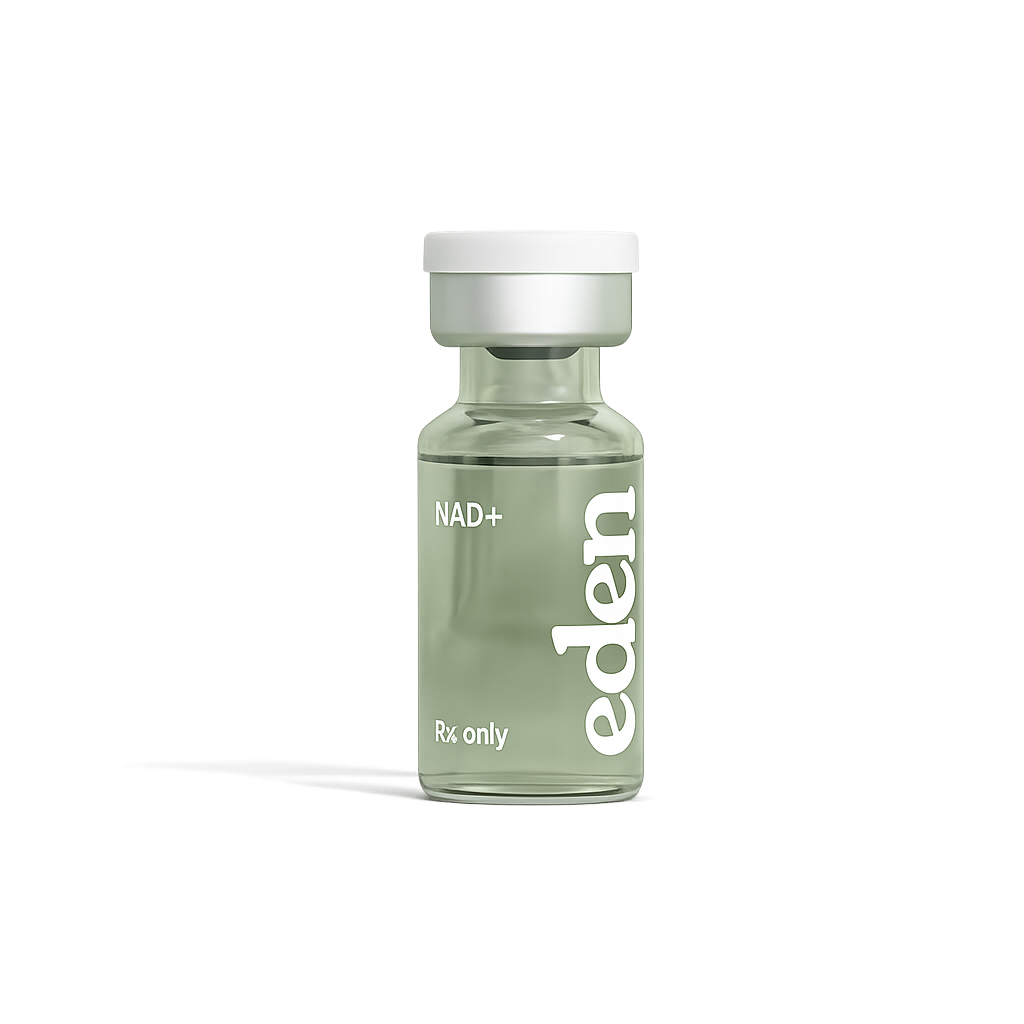
Ready to Get Started with NAD Injections?

Find out if you qualify for a physician‑guided NAD injection program from the comfort of your home by starting with our main NAD injections overview. No clinic visits, no waiting rooms — just a simple online eligibility review and fast home delivery if approved through Eden’s NAD injection program.
eden nad injections


Find more details about NAD Injections.