

Yes, NAD injections are generally considered safe for healthy adults when prescribed by a licensed provider, administered correctly, and sourced from a state-licensed compounding pharmacy. Because NAD+ is a naturally occurring coenzyme the body already produces, the therapy does not introduce a foreign substance — it temporarily raises levels of something the body already uses. Medical screening before starting is essential to confirm you are an appropriate candidate.
NAD injections are not FDA approved as a drug for specific medical indications, but they are legally prescribed and dispensed through licensed compounding pharmacies under physician oversight. This is the same regulatory framework used for many legitimate compounded therapies. The absence of FDA drug approval does not mean the therapy is unsafe — it means it has not gone through the clinical trial process required for a new drug application.
Serious side effects from NAD injections are uncommon when the therapy is properly prescribed and administered. The most frequently reported reactions are mild and temporary, including flushing, nausea, lightheadedness, and injection site tenderness. More significant reactions such as persistent nausea, chest discomfort, or severe injection site responses should be reported to your provider immediately and may indicate a need for dose adjustment or discontinuation.
Available evidence and real-world clinical experience suggest that long-term use of physician-guided NAD injection protocols is well tolerated in healthy adults. There is no evidence of toxicity associated with sustained NAD+ elevation at clinically appropriate doses, and many long-term users report that initial side effects diminish over time. Ongoing provider monitoring is recommended to ensure dosing remains appropriate as your health status evolves.
The safest NAD injection programs require a licensed medical provider consultation before prescribing, source medication exclusively from state-licensed compounding pharmacies, provide clear dosing instructions and ongoing clinical support, and have transparent eligibility criteria that screen out patients for whom the therapy is not appropriate. Avoid any program or source that offers injectable NAD without a prescription or without requiring a medical review.
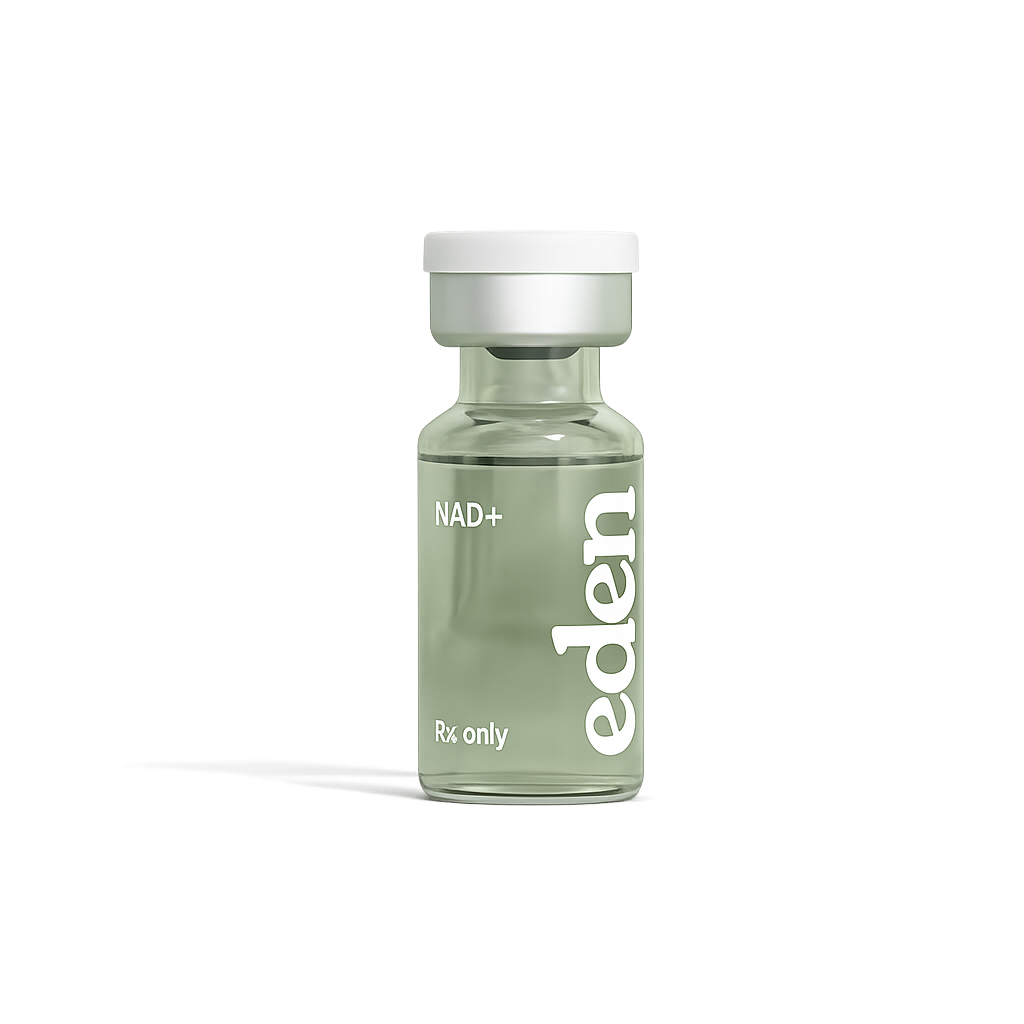
Find more details about NAD Injections.