
NAD Injection Side Effects

NAD injection side effects are generally mild for most people who go through a physician-guided program, but knowing what to expect before your first injection helps you make an informed decision. This page covers the most commonly reported NAD injection side effects, which ones tend to resolve quickly, and what your provider should be monitoring throughout your treatment plan.
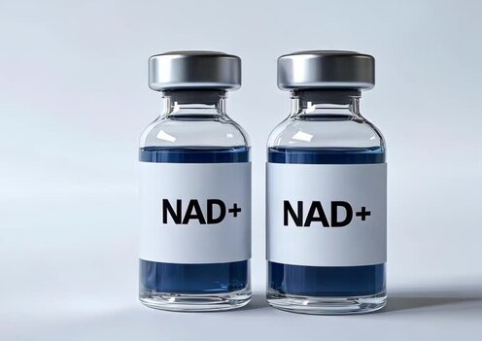
NAD injection side effects overview showing common reactions and what to expect from a physician-guided at-home NAD injection program

What Are the Most Common NAD Injection Side Effects?

Most people who use physician-guided NAD injection programs report mild and short-lived side effects rather than serious reactions. Patients who are still in the early research phase and asking what are NAD injections will often want to understand the side effect profile before committing to a program, and starting with a solid understanding of what is NAD and how it works in the body helps set realistic expectations about how your system may respond. The most commonly reported NAD injection side effects include injection site redness or soreness, mild nausea, headache, and a brief feeling of flushing or warmth shortly after administering the shot. Some people also describe feeling unusually tired or slightly "off" for a few hours following their first few injections, which often improves as the body adjusts to the protocol. Those who want a comprehensive overview of the therapy's safety profile before starting can visit the are NAD injections safe page for a full breakdown of contraindications, sourcing standards, and long-term safety considerations. Adults researching does NAD help with weight loss should factor in the side effect profile when evaluating whether this therapy fits their overall health plan. Because responses vary, providers typically start patients at a lower dose and adjust based on tolerance before moving toward a full therapeutic dosage.

Find the Best NAD Injections Online

Browse clinically guided at‑home NAD injection programs from trusted telehealth providers. After a brief online consultation, eligible patients may receive prescription NAD injections shipped directly to their door. Many people researching NAD injections choose medically supervised programs that include dosing guidance, treatment supplies, and ongoing clinical support.

NAD Injection Side Effects at the Injection Site

Injection site reactions are the most frequently reported side effect in at-home NAD programs and are generally considered minor. Patients commonly describe mild redness, swelling, or tenderness around the injection site that fades within a few hours of administering the shot. Rotating injection sites as directed by your provider helps reduce the likelihood of repeated irritation in the same area. These localized reactions are separate from the systemic NAD injection benefits most patients are working toward, and they typically do not require stopping treatment unless they worsen, spread, or are accompanied by other unusual symptoms that your provider should evaluate.

NAD Injection Side Effects Related to Dosage

Some NAD injection side effects are directly tied to how much is being administered at one time. Higher doses tend to produce more noticeable reactions like nausea, flushing, or headache, while lower starting doses are generally better tolerated during the first few weeks of a protocol. This is why following a physician-prescribed NAD injection dosage plan matters rather than self-adjusting based on what others report online. Providers typically titrate doses upward gradually so the body has time to adapt, which reduces the likelihood of side effects while still working toward a therapeutically meaningful amount per week.

NAD Injection Side Effects – Subcutaneous vs. Intramuscular

The method of injection can influence which side effects a patient experiences and how intense they feel. Subcutaneous injections, which go into the fatty layer just under the skin, tend to cause less immediate discomfort than intramuscular injections but may result in slightly more localized tenderness or small lumps at the injection site if the same spot is used repeatedly. Intramuscular injections can cause deeper muscle soreness for a day or two following administration. Most at-home programs use subcutaneous delivery because it is easier to self-administer and generally produces a more predictable and manageable side effect profile for patients new to injectable therapy.

When Should You Contact Your Provider About NAD Injection Side Effects?

Most NAD injection side effects are mild and resolve on their own, but certain symptoms warrant a call to your prescribing provider rather than waiting them out. You should reach out if you experience significant swelling, prolonged redness, or a hard lump at the injection site that does not improve within a day or two. Persistent nausea, severe headache, unusual heart racing, or any allergic-type reaction such as hives or difficulty breathing should be reported immediately. A good telehealth provider will have a clear process for follow-up questions and dosage adjustments so side effects are addressed quickly and your protocol stays on track, which is one of the key qualities that separates the best NAD injections at home programs from less supervised options that leave patients without support when they need it most.

Frequently Asked Questions
About NAD Injection Side Effects

The most commonly reported side effects include injection site redness or soreness, mild nausea, headache, flushing, and brief fatigue shortly after administering the shot, most of which resolve within a few hours.

For most patients, mild side effects like injection site tenderness and nausea improve on their own as the body adjusts to the protocol, particularly after the first few weeks of consistent use.

Yes, higher doses tend to produce more noticeable reactions while lower starting doses are generally better tolerated, which is why providers typically titrate dosage upward gradually based on how each patient responds.

Subcutaneous injections tend to cause more localized skin tenderness while intramuscular injections may produce deeper muscle soreness, though both methods are considered manageable for most patients in supervised programs.

You should contact your provider if you experience significant swelling, a hard lump at the injection site, severe headache, heart racing, or any allergic reaction such as hives or difficulty breathing rather than stopping treatment on your own without guidance.
Ready to Get Started with NAD Injections?

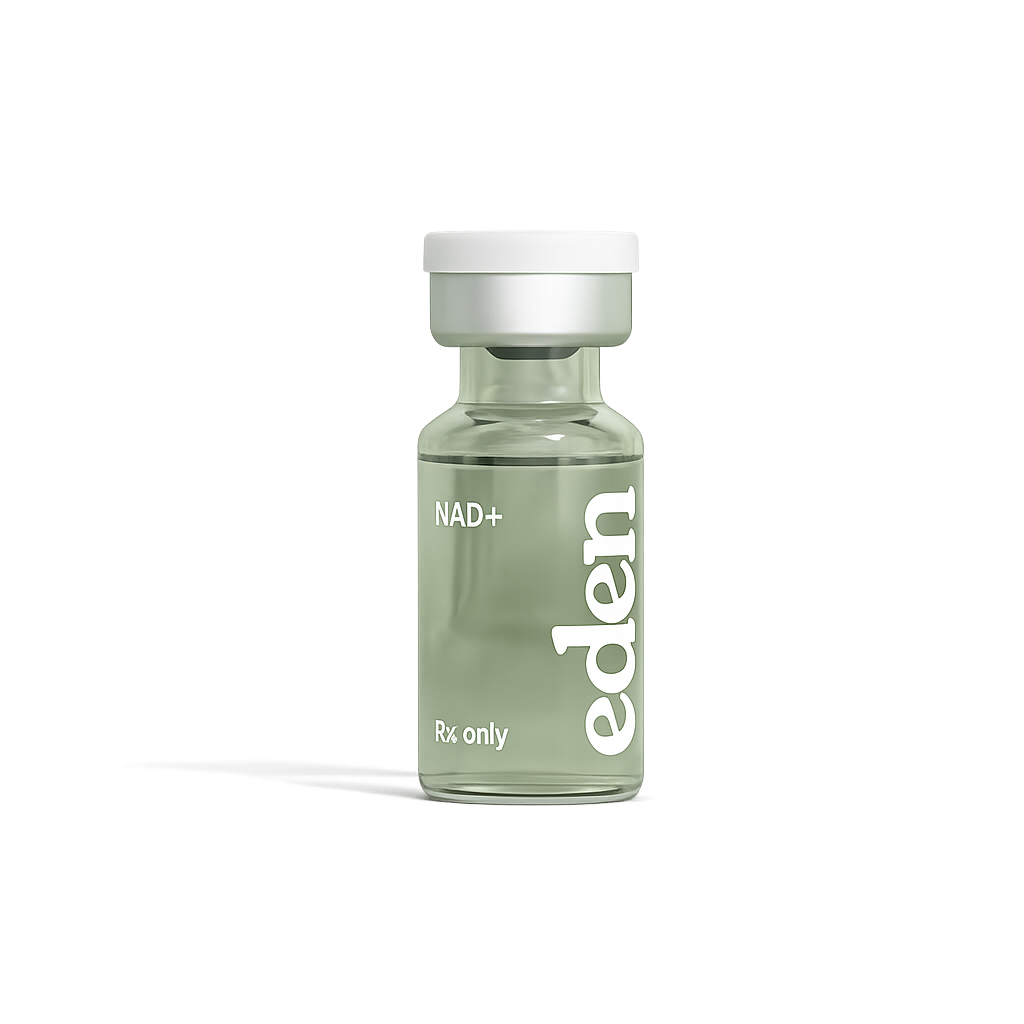
Find out if you qualify for a physician‑guided NAD injection program from the comfort of your home by starting with our main NAD injections overview. Before you begin, check out our full breakdown of NAD injection cost so you know exactly what to expect on pricing. No clinic visits, no waiting rooms — just a simple online eligibility review and fast home delivery if approved through Eden's NAD injection program.
eden nad injections


Find more details about NAD Injections.