At-home administration overview
Subcutaneous NAD Injection Guide
A subcutaneous injection places medication into the fatty tissue beneath the skin. Use this overview to understand the process, then follow the exact instructions supplied with your prescription.
Explore Provider-Guided Treatment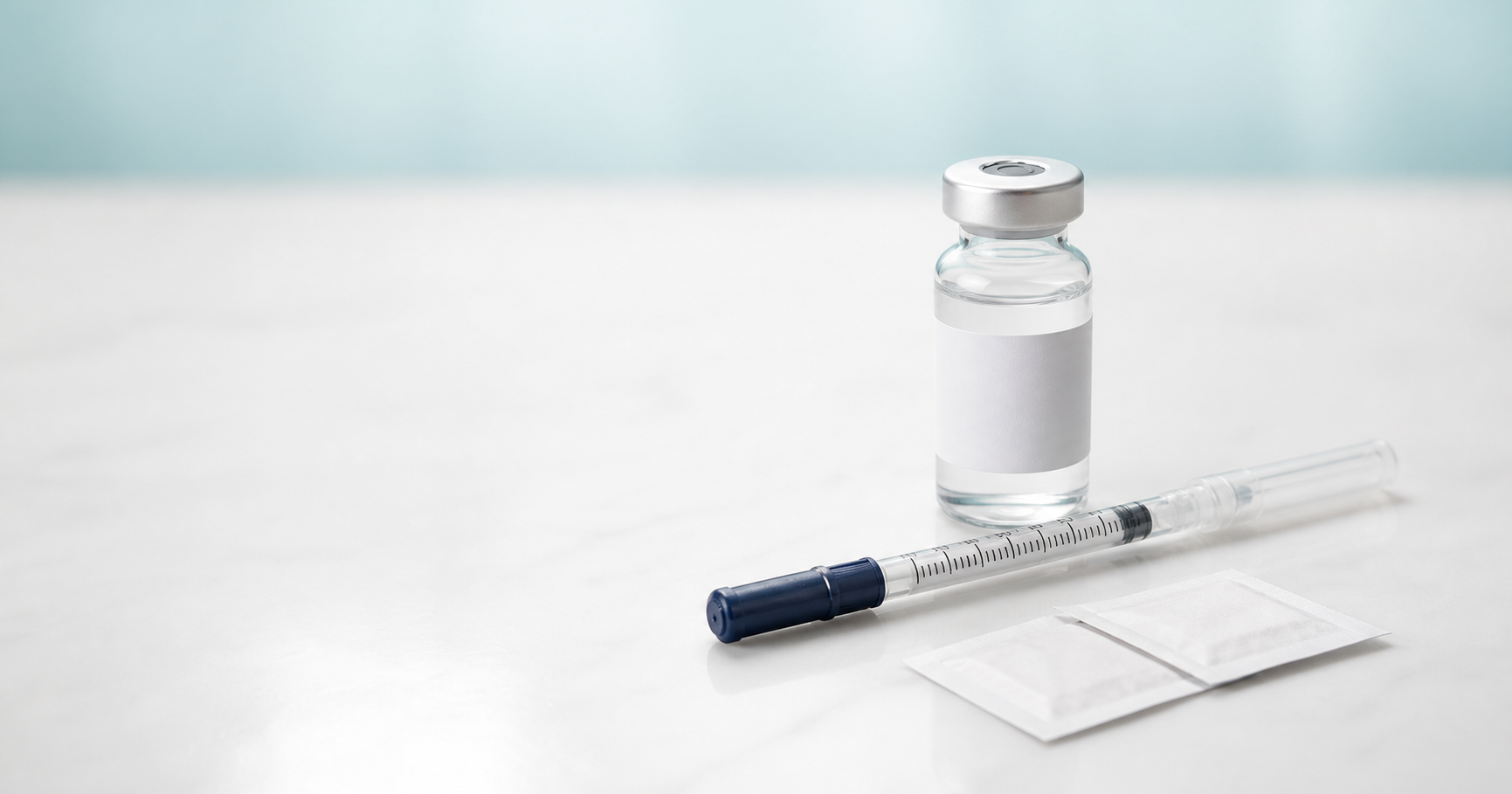
Before administering
Prepare for a clean, accurate injection
Review the prescription
Confirm the medication, concentration, prescribed volume, schedule, expiration or beyond-use date, and storage directions.
Inspect the supplies
Use the syringe, needle, alcohol preparation materials, and sharps container recommended or supplied by the provider.
Inspect the vial
Do not use a vial that is damaged, leaking, improperly stored, expired, or visibly different from the pharmacy description.
Choose an approved site
Use a subcutaneous location approved by the provider and rotate sites rather than repeatedly using the same spot.
After the injection
Handle supplies and symptoms responsibly
Place used needles and syringes directly into an appropriate sharps container. Do not recap, reuse, or share injection equipment unless your provider gives a specific device instruction that says otherwise.
Monitor the site and report persistent redness, warmth, swelling, drainage, worsening pain, fever, or another concerning symptom.
Before the first injection
Know the medication, equipment, and directions
A subcutaneous NAD injection places prescribed medication into the fatty tissue beneath the skin. It is different from an intramuscular injection and from an intravenous infusion. Use only the route, syringe, needle, amount, and schedule written for your prescription.
Read the pharmacy label and patient-specific instructions before preparing anything. Confirm the medication name, concentration, prescribed volume, storage requirements, and beyond-use information. A refill can differ from the previous vial, so repeat this check with every delivery. Our NAD injection dosage guide explains the difference between milligrams, concentration, liquid volume, and frequency.
Clean workspace
Choose a stable, well-lit surface away from food, pets, children, and household clutter.
Correct supplies
Gather only the vial, syringe, needle, alcohol pad, gauze, and disposal container specified in your instructions.
Hand hygiene
Wash and dry your hands before handling the vial, syringe, or injection area.
Medication check
Do not use a vial that is damaged, expired, improperly stored, or looks different from the pharmacy’s description.
Preparing the injection
Follow the demonstrated sequence exactly
Your provider or pharmacy should explain how to clean the vial stopper, draw the prescribed volume, handle air in the syringe, and prepare the selected skin area. Do not touch sterile needle surfaces or reuse equipment. If any preparation step is unclear, pause before puncturing the vial or skin.
Never estimate volume from the apparent fullness of a syringe. Align the prescribed volume with the correct marking on the supplied syringe. If the syringe scale does not match the directions, contact the provider or pharmacy. The educational NAD injection dosage chart can clarify terminology but cannot choose or correct a dose.
Site selection and aftercare
Rotate approved areas and watch the skin
Use only a subcutaneous area approved in your instructions. Avoid bruised, swollen, scarred, hardened, infected, painful, or irritated skin. Rotating sites gives tissue time to recover and can reduce repeated local irritation. See the complete NAD injection sites guide for common areas and rotation considerations.
After administration, apply only the pressure or care recommended by the provider. Do not rub the area unless instructed. Mild temporary redness or tenderness may occur, but worsening warmth, spreading redness, drainage, severe pain, or a persistent lump warrants provider guidance. Review possible NAD injection side effects and seek urgent help for severe allergic symptoms, trouble breathing, fainting, or swelling of the face or throat.
Safe disposal and recordkeeping
Never reuse or place loose sharps in household trash
Place used needles and syringes immediately into an appropriate sharps container without recapping unless your issued instructions specifically require a safe technique. Follow local rules for closing and disposing of the container. Keep it upright and out of reach of children and pets.
If recommended, record the date, time, prescribed amount, and injection area. A simple record can support site rotation and follow-up discussions. It does not replace the pharmacy label. For the complete at-home process—from medical review through delivery and support—read NAD injections at home.
When an injection does not go as planned
Do not repeat the administration without advice
If medication leaks from the site, the syringe is dropped, the needle bends, the full volume may not have been delivered, or you are unsure whether the injection was completed, contact the provider or pharmacy. Do not automatically prepare another syringe. Repeating an uncertain administration could result in more medication than prescribed.
For a needle-stick injury, wash the area and follow appropriate medical guidance. For a spill, keep children and pets away and use the cleanup directions supplied by the pharmacy. Never retrieve a used needle from an overfilled sharps container.
Confidence should come from clear instruction, not trial and error. Ask for a demonstration or clarification before the first at-home administration if you cannot explain each step back accurately. A provider-guided program should give approved patients a reliable way to resolve these questions.
Keep the provider and dispensing pharmacy contact information available wherever you normally prepare the prescription.
Provider-guided treatment
Choose a treatment process with guidance
Embody combines medical review, prescription fulfillment, supplies, delivery, and instructions for approved patients.
Visit Embody NAD